About Lucky Boy SVG Graphic: A Designer's Review
When I first opened the file for About Lucky Boy SVG Graphic, my immediate reaction was one of curiosity mixed with professional caution. As someone who spends hours digitizing and stitching designs for clients, I know that a pretty image on a screen does not always translate to a beautiful finished product under the needle. This graphic sits squarely in the Crafts category, offering a versatile visual asset, but my job is to determine if it holds up as a viable machine embroidery design or if it requires significant adaptation before it touches fabric.
First Impressions and Visual Personality
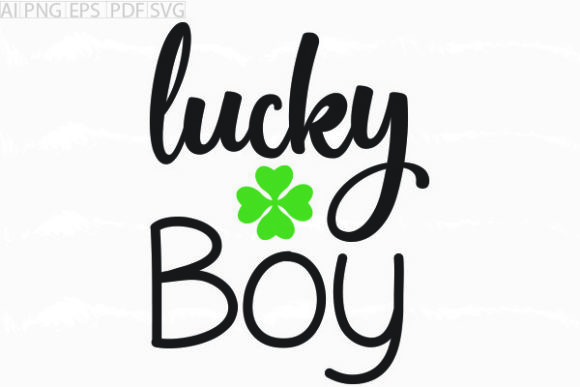
The mood of this graphic is undeniably cheerful and nostalgic. It carries a whimsical energy that feels right at home in nursery decor or playful custom apparel. The lines appear clean, suggesting that if converted correctly into an embroidery file, it could yield crisp results. However, looking at it through the lens of a stitcher, I immediately start analyzing the potential stitch density. Graphics intended for printing often have gradients or tiny details that simply cannot be replicated with thread. For About Lucky Boy SVG Graphic to work in embroidery, those fine lines would likely need to be simplified into solid shapes suitable for satin stitch borders or flat fill stitch areas.
The visual personality here is strong. It is not a generic clip art piece; it has character. This makes it an excellent candidate for branding a small shop product where uniqueness matters. If you are an Etsy seller looking to differentiate your inventory, a design with this kind of specific charm can elevate a basic item into something memorable.
Real-World Application: The Custom Tote Bag Scenario
To truly test the viability of this design, I imagined a specific real-life scenario: creating a custom tote bag design for a baby shower gift. Picture a heavy-duty canvas tote, perhaps in a natural cream or soft sage green. The goal is to create a personalized gift that the new parents will actually use, not just display.
In this context, About Lucky Boy SVG Graphic shines as a central focal point. Placed on the front panel of the bag, it would serve as a delightful announcement or keepsake. Because tote bags offer a stable, flat surface, they are forgiving for various hoop size constraints. If the graphic is large, it commands attention; if scaled down, it becomes a cute accent near the handle. The key here is the fabric texture. Canvas has a weave that can swallow tiny details. If this graphic relies on very thin lines, they might get lost. A designer would need to ensure the conversion to embroidery uses enough coverage, perhaps opting for a slightly heavier thread colors palette to ensure the design pops against the textured background.
For a client, the reaction to seeing this stitched out would likely be warm and appreciative. It feels handmade and thoughtful, which increases the perceived value of the handmade product. It transforms a simple bag into a story-telling piece.
Versatility Across Products
Beyond tote bags, the potential applications for this graphic are extensive within the Graphics and crafts realm. Consider sweatshirt embroidery. A cozy hoodie featuring this design on the chest or sleeve creates an instant boutique vibe. The stretch of fleece requires careful attention to stabilizer selection to prevent puckering, but the playful nature of the design fits the casual aesthetic perfectly.
It also works well for baby embroidery projects. Onesies and bibs are high-demand items for craft businesses. However, one must be cautious with scale. On a small garment, the details of About Lucky Boy SVG Graphic must be robust enough to survive washing without turning into a blurry mess. If the original file includes intricate shading, those elements should probably be removed in favor of bold, clear shapes that define an applique design or a solid fill.
For those interested in non-fabric applications mentioned in the product description, such as vinyl decals or iron-on transfers, the vector nature of the SVG is ideal. It cuts cleanly on plotter machines. But for us embroiderers, the challenge remains translating that cut-line precision into thread paths. Whether used for a holiday embroidery ornament or a year-round embroidered patch, the core shape needs to be distinct.
Technical Considerations and Fabric Challenges
While the design is charming, there are areas where a designer must proceed with care. If you attempt to stitch this on dark fabric, you must verify that the design does not rely on white space to define its shape. In embroidery, you cannot leave "holes" in dark material; you must stitch the background or use a backing layer. This increases the stitch density significantly.
Curved surfaces present another hurdle. If you plan to put this on a cap, the curvature can distort the image. About Lucky Boy SVG Graphic might look great flat, but on a structured hat, horizontal lines could bow. Testing on a scrap piece of similar material is non-negotiable here. Similarly, thin or stretchy fabrics require a cut-away stabilizer rather than tear-away to maintain the integrity of the design over time.
Small details are the enemy of durability. If the graphic features tiny lettering or minute decorative accents, these are the first things to break down after frequent washing. For a commercial product intended for daily wear, simplifying the design to remove fragile elements is a smart business move. It ensures customer trust and reduces returns.
Enhancing Brand Value and Professionalism
Using a distinctive graphic like this affects more than just the look of a single item; it impacts your entire brand consistency. When customers see a cohesive, high-quality design across your small shop product line, it builds recognition. Whether you are selling digital embroidery file conversions or physical goods, the clarity of the stitch work reflects your professionalism.
A well-executed version of About Lucky Boy SVG Graphic signals that you understand how to adapt digital assets for physical media. It shows you respect the limitations of the medium while maximizing its aesthetic potential. This level of care turns a browser window purchase into a tangible asset that drives buyer engagement.
Practical Notes for the Embroidery Designer
Before committing to a full production run or listing this as a new item in your store, follow these practical steps:
- Test on Scrap Fabric: Always stitch a sample on the exact material you intend to sell. What looks good on cotton might pucker on polyester.
- Check Thread Contrast: Ensure your chosen thread colors provide enough contrast against the fabric, especially if the design has subtle variations.
- Review Stitch Density: If digitizing this yourself, avoid overly dense fills that make the fabric stiff. Aim for a balance between coverage and drape.
- Confirm Hoop Size: Measure the design dimensions against your machine's maximum hoop size to avoid unnecessary resizing that compromises quality.
- Inspect Small Details: Zoom in on your digitized version. Are there running stitches that are too short? Will tiny islands of fabric float away?
- Mockup Testing: Create black and white mockups to see if the design holds its form without color reliance.
- Licensing Verification: Since this is a digital asset, double-check the license terms. Confirm whether you are allowed to sell the finished product commercially or if there are restrictions on selling the design assets themselves.
In conclusion, About Lucky Boy SVG Graphic offers a solid foundation for creative projects. It bridges the gap between digital convenience and tactile craftsmanship. With the right technical adjustments and a keen eye for fabric interaction, it can become a staple in your craft business, delighting customers with its charm and durability. Just remember, the magic happens not in the download, but in the thoughtful execution of the stitch.