Candy Heart Baby Sticker: A Designer's Review
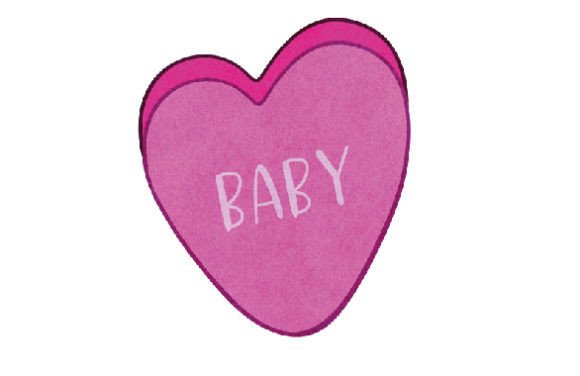
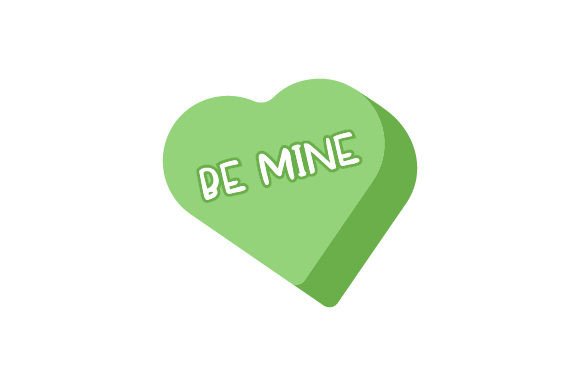
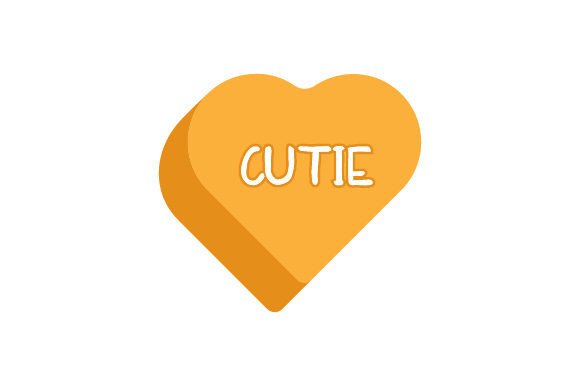
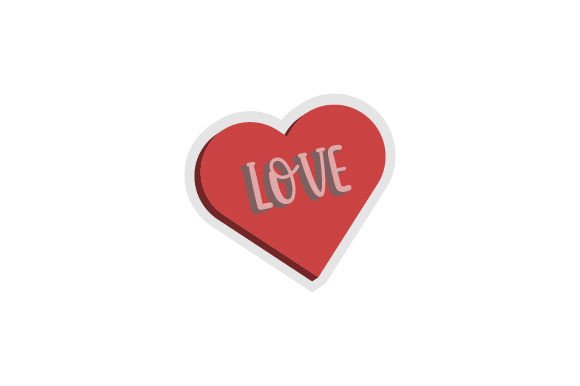
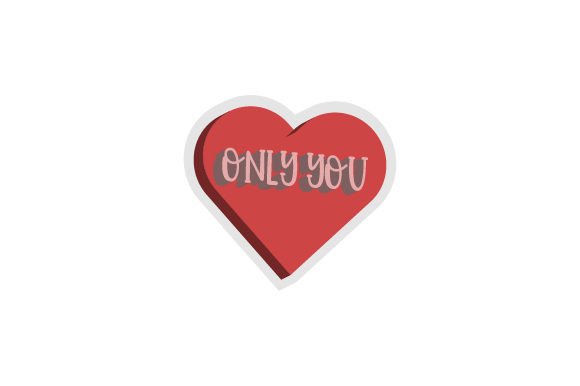
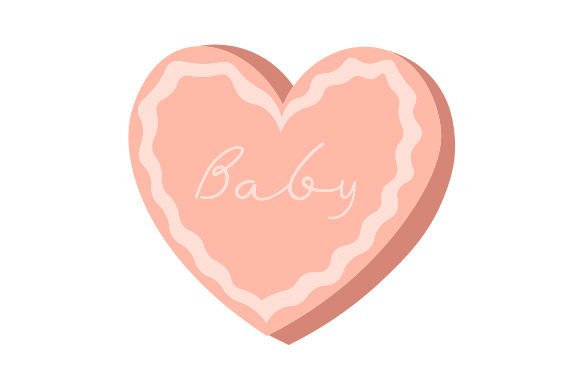
When I first pulled up the Candy Heart Baby Sticker design on my screen, my immediate reaction was one of nostalgic warmth. As someone who spends hours analyzing stitch paths and density maps for client projects, I often look past the initial "cute" factor to see how a file will actually behave under the needle. This design, categorized perfectly for Valentine S Day and general Crafts, offers a charming aesthetic that taps into the classic conversation heart trend but scales it down for infant and toddler applications. The visual personality is soft yet bold enough to stand out, making it a strong contender for boutique baby wear.
First Impressions and Visual Mood
The layout of the Candy Heart Baby Sticker feels intentional. It avoids the clutter that often plagues holiday-themed files, opting instead for a clean silhouette that translates well from digital vector to physical thread. The mood it creates is playful and sweet without being overly saccharine, which is a delicate balance to strike in baby embroidery. For a designer, the appeal lies in its versatility; it doesn't scream "holiday" so loudly that it can't be worn in February beyond the 14th. The shape suggests a modern take on retro candy graphics, likely utilizing a combination of fill stitch for the body of the heart and potentially satin stitch for the borders or text elements, depending on how you manipulate the provided SVG File or EPS before importing it into your embroidery software.
Real-World Application: The Boutique Sweatshirt Scenario
To truly evaluate this machine embroidery design, I imagined a specific real-life scenario: a custom order for a local boutique needing a run of personalized Valentine's sweatshirts for toddlers. The client wanted something that looked professional but retained a handmade charm. Using the Candy Heart Baby Sticker here makes sense because the scale is appropriate for smaller garments. Unlike adult designs that can afford massive coverage, baby items require compact, high-impact graphics.
If I were stitching this onto a French terry cotton blend, the design's simplicity would shine. The finished product would likely feature crisp edges if the digitizing (or your subsequent editing of the Digital embroidery file) accounts for fabric pull. For a tote bag design intended for a parent to carry diaper essentials, this graphic adds a pop of personality without overwhelming the bag's utility. In both cases, the Candy Heart Baby Sticker acts as a focal point that invites touch, which is crucial for items meant for children.
Navigating Fabric Textures and Challenges
However, practical design judgment requires us to look at where this design might struggle. While the Transparent PNG and vector formats (SVG, EPS, DXF) give us flexibility for printing or cutting, the embroidery execution demands caution. If you are working with textured fabrics like waffle knit or heavy fleece, fine details within the heart could get lost. The "sticker" aspect of the name implies a flat, graphic look, so achieving that on a looped towel or a ribbed cap requires careful stabilization.
For stretchy fabrics common in baby embroidery, such as onesies or leggings, the stitch density becomes a critical variable. If the design is too dense, it will pucker the garment after washing, ruining the handmade product's drape. Conversely, if it is too light, the fabric might show through, breaking the solid color illusion of the candy heart. I recommend testing this on scrap fabric identical to your final material. Pay close attention to curved surfaces like caps; while the design is small enough to fit, the curvature can distort the text or shape if the hoop size isn't managed correctly or if the stabilizer isn't robust enough to hold the structure during stitching.
Commercial Viability for Etsy Sellers and Makers
For Etsy sellers and creative entrepreneurs, the value of the Candy Heart Baby Sticker extends beyond just the stitch-out. It serves as a versatile asset for printable mockups and digital product previews. Because you receive multiple formats, you can use the Transparent PNG for website graphics while reserving the embroidery file for physical goods. This dual utility increases the return on investment for your craft business.
Customer trust is built on consistency. If you sell a line of personalized gift items, using a cohesive design language is key. This design fits seamlessly into a broader collection of holiday embroidery or spring-themed apparel. Its clean lines ensure that even when scaled down for a pocket logo or an embroidered patch, it remains recognizable. This recognition builds brand identity. When a customer sees that specific heart shape on a kitchen towel or a pillow cover, they immediately associate it with your shop's quality.
Technical Notes for the Professional Stitcher
Before committing to a production run, there are several technical boxes to check. First, verify the thread colors. The default palette might suggest bright reds and pinks, but consider how these contrast against dark navy or charcoal grey fabrics, which are popular in modern nursery decor. A high-contrast test in black and white mockups can reveal if the design relies too heavily on color differentiation rather than shape definition.
Secondly, inspect the small details. Does the design include tiny lettering? If so, ensure your machine can handle the resolution, or be prepared to simplify the vectors in your editing software. Since the product description lists SVG, PNG, EPS, and DXF, it implies the source is vector-based, giving you the power to adjust node points before generating your final stitch file. Always confirm the licensing terms regarding commercial embroidery; while the file is sold for crafting, some designers restrict the number of physical items you can sell without an extended license.
Finally, consider the end-user experience. A custom apparel piece for a baby needs to be soft against the skin. If the back of the stitching is rough due to high density, it might irritate sensitive skin. Using a cut-away stabilizer that can be trimmed close to the edge, or a soft tear-away for stable woven fabrics like aprons, ensures comfort. The goal is a finished product that looks as good as it feels.
Final Verdict on Design Utility
The Candy Heart Baby Sticker is a solid addition to any designer's library, particularly for those focusing on seasonal bursts of creativity. It bridges the gap between trendy digital aesthetics and tangible textile art. Whether you are creating a one-off wedding gift for a new couple expecting in spring, stocking up for a craft fair, or fulfilling a bulk order for a local daycare, this design holds up well under scrutiny. Its strength lies in its adaptability; it works as a standalone statement on a plain tee or as part of a larger narrative on a quilt block. Just remember to respect the limitations of your materials and machinery. With proper testing and thoughtful application, this design can elevate a simple piece of fabric into a cherished keepsake.