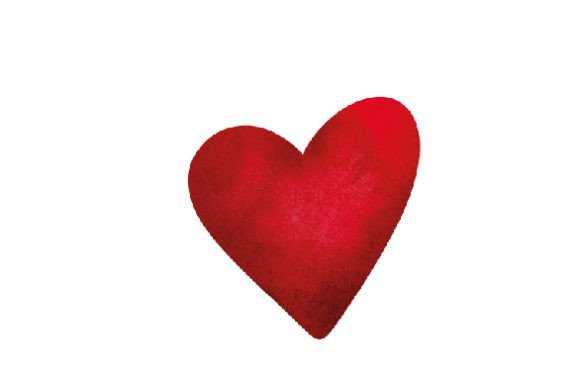
Heart Sticker, Watercolor: A Designer's Review for Embroidery
When I first opened the Heart Sticker, Watercolor file on my screen, I wasn't looking at a standard vector shape. I was looking at a mood. As someone who spends hours digitizing and stitching for clients, I know that the difference between a good design and a great one often lies in how it translates from a digital preview to actual thread on fabric. This design immediately struck me as perfect for the softer side of Valentine's Day projects, moving away from the harsh, solid reds we often see and embracing something more organic and hand-painted.
First Impressions and Visual Personality
The aesthetic here is gentle and inviting. The "watercolor" effect implies a blend of tones rather than a flat block of color. In the world of machine embroidery design, achieving this look requires careful attention to stitch density and thread selection. If you are planning to use this for a handmade product, you need to consider how the gradients will render. Will your machine handle the subtle shifts in tone, or will you need to simplify the color palette? For a craft business owner, this visual personality suggests a boutique feel, ideal for customers who appreciate artisanal quality over mass-produced perfection.
Real-World Application: The Tote Bag Scenario
Let's walk through a realistic scenario. Imagine a client comes to your small shop product line asking for a custom tote bag for a spring market. They want something that feels personal but not overly cheesy. This is where Heart Sticker, Watercolor shines. Placed centrally on a natural canvas tote, the design acts as a focal point without overwhelming the fabric texture. Because canvas has a bit of tooth, the stitches settle in nicely, giving that watercolor illusion a tangible, textured depth.
However, if you were to pivot this same design to a sweatshirt embroidery project, the approach changes. On fleece or French terry, the loops of the fabric can swallow fine details. You might need to adjust your stabilizer strategy, perhaps using a cut-away instead of tear-away, to ensure the heart maintains its shape after the garment is worn and washed. The softness of the design complements the cozy nature of sweatshirts, making it a strong contender for custom apparel lines targeting young adults or parents.
Navigating Fabric Challenges
While the design is versatile, it demands respect regarding fabric choice. On dark fabric, the lighter tones of the watercolor effect might get lost unless you utilize an underlay stitch effectively or choose high-sheen threads like rayon or silk-finish polyester to catch the light. Conversely, on very thin or stretchy fabrics, such as those used for baby embroidery onesies, the density of the fill could cause puckering. Always test on scrap fabric first. If the design feels too heavy, consider reducing the stitch count in the lighter areas or switching to a lighter weight stabilizer.
Curved surfaces present another hurdle. If you are attempting this on a cap, the curvature can distort the circular or organic nature of the heart. The "sticker" aspect of the name suggests a defined edge, which needs to remain crisp. On a structured cap, ensure your hoop size allows for enough tension to prevent the design from shifting during the stitch-out.
Commercial Viability and Brand Consistency
For an Etsy seller or digital product creator, the value of Heart Sticker, Watercolor extends beyond the stitch. It serves as a cohesive element for branding. If you sell printable mockups alongside physical goods, this design offers a consistent visual language. Customers recognize styles; if they buy a pillow cover with this heart, they are likely to return for a matching tea towel. This builds trust and perceived value.
In terms of commercial embroidery, clarity is key. Does the design hold up when scaled down for a pocket logo on an apron? Or does it become a muddy blob? You must inspect small details. If the watercolor effect relies on tiny running stitches to blend colors, those might break or disappear on a small scale. For holiday embroidery gifts, where items are often kept as keepsakes, durability matters. Ensure the satin stitch borders (if present) are wide enough to protect the internal fill stitches from fraying over time.
Technical Considerations for the Maker
Before committing to a production run, there are several practical steps every designer should take:
- Check Thread Color Contrast: Screen colors rarely match thread charts perfectly. Pull your actual spools and lay them against the fabric to ensure the gradient flows logically.
- Review Stitch Density: High density can make a design stiff. For wearable items like t-shirts, you want flexibility. Check if the design allows for breathing room between stitch blocks.
- Confirm Hoop Size: Ensure the design fits your available hoops without needing to re-hoop, which can lead to alignment issues.
- Test Black and White Mockups: Sometimes a design relies too much on color. See how it looks in monochrome to judge its structural integrity.
- Licensing Verification: Since this is a digital asset, always confirm the license terms. Can you sell the finished physical item? Can you sell the digital file itself? Never assume.
Final Thoughts on Project Fit
The Heart Sticker, Watercolor is more than just a shape; it is a tool for storytelling in your embroidery project. It fits naturally into niches that value softness, romance, and handmade charm. Whether you are creating a personalized gift for a wedding, a batch of nursery decor, or a limited edition run for a boutique, this design offers a professional finish if handled with care. Remember, the file formats provided—SVG, Transparent PNG, EPS, and DXF—offer flexibility for various cutting and printing needs, but for embroidery, the translation to thread is your responsibility. By respecting the fabric, choosing the right stabilizer, and testing your tension, you can turn this digital file into a finished product that customers will cherish.