Laboratory Glass Flask - Sticker: A Designer's Review
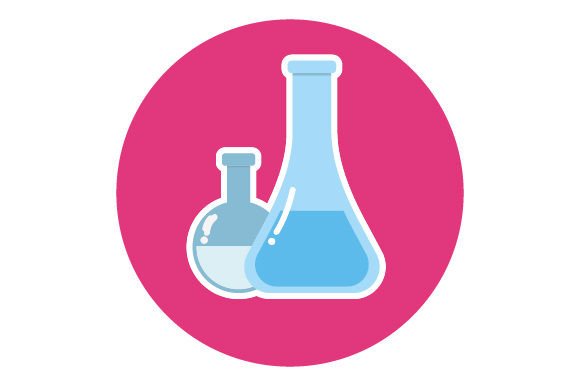
When I first pulled up the Laboratory Glass Flask - Sticker design on my screen, my immediate reaction was one of appreciation for its clean, scientific aesthetic. As a designer who spends most of their day managing stitch counts and thread breaks, I look for files that translate well from vector to fabric without losing their identity. This design, categorized under Medical and Crafts, offers a distinct visual personality that feels both educational and stylish. It isn't just a generic beaker; it has the specific curvature and volume of a laboratory flask, which gives it an authentic feel suitable for science enthusiasts, students, or medical professionals looking for personalized gear.
First Impressions and Visual Mood
The layout of the Laboratory Glass Flask - Sticker is deceptively simple, which is often where the challenge lies in embroidery. The shape relies on smooth curves to mimic glass, and in a stitched format, this requires careful handling of satin stitches or dense fill stitches to avoid jagged edges. The "sticker" aspect of the title suggests a bold outline, likely intended to look like a decal applied to a surface. In an embroidery context, this usually translates to a thick border or a backing that makes the design pop against the fabric texture. The mood is clinical yet creative, perfect for projects that need to convey intelligence, precision, or a love for chemistry.
For those of us running small shops or Etsy listings, visual clarity is everything. This design holds up well in digital previews because the silhouette is strong. Whether you are creating a printable mockup for a custom apparel listing or showing a sample to a client, the recognizable shape ensures instant recognition. It avoids the clutter that sometimes plagues detailed medical designs, making it versatile enough for both a subtle chest logo on a lab coat or a large statement piece on a tote bag.
Real-World Application: The Science Fair Tote
To truly test the viability of this machine embroidery design, I imagined a specific real-life scenario: preparing a batch of custom tote bags for a local high school science fair or a university chemistry department gift shop. The goal was to create a handmade product that felt professional but approachable. I envisioned stitching the Laboratory Glass Flask - Sticker onto a heavy canvas tote. Canvas provides a stable base, which is crucial for maintaining the integrity of the flask's curved lines.
In this scenario, the design acts as a badge of honor for the recipient. If I were using this for a personalized gift, I might add text below the flask, perhaps a name or a funny chemistry pun. However, the standalone image is strong enough to work without text, which is a significant advantage for small shop products where minimalism sells. The reaction from potential customers would likely be positive, especially among those in STEM fields who appreciate accurate representations of their tools. It moves beyond generic "science" clip art and feels like a deliberate design choice.
Performance on Different Fabrics and Garments
One of the critical factors in evaluating any embroidery file is how it behaves across different materials. The Laboratory Glass Flask - Sticker performs differently depending on where you place it. On a structured item like a cap or a backpack, the design shines. The firm surface supports the density required to make the glass effect look solid. For sweatshirt embroidery, the design works well on the front chest or sleeve, provided the fabric isn't too fuzzy. Fleece can sometimes swallow fine details, so checking the stitch density is essential here.
However, caution is needed when applying this to stretchy or thin fabrics. If you are attempting baby embroidery on a onesie, the weight of the stitching might cause the fabric to pucker, distorting the round bottom of the flask. In such cases, using a high-quality cutaway stabilizer is non-negotiable. Similarly, for holiday embroidery gifts like kitchen towels, the weave of the towel can interfere with the smooth lines of the flask. A tea towel with a tight weave is preferable to a loose, waffle-textured one to ensure the "sticker" outline remains crisp.
For commercial embroidery projects, such as branding uniforms for a medical clinic or a pharmaceutical sales team, consistency is key. The design needs to look identical on every garment. Because the flask relies on symmetry, hooping must be precise. Any slight tilt will be immediately obvious to the eye, breaking the illusion of a perfectly balanced glass vessel.
Technical Considerations for the Stitcher
Before committing to a production run, there are several technical aspects to review. Since the product description mentions formats like SVG, PNG, EPS, and DXF, it is important to clarify that these are typically vector or image files used for cutting machines or printing, rather than native machine embroidery design files like PES or DST. If you are an embroiderer, you may need to digitize this artwork yourself or ensure you have access to the correct embroidered formats from the seller. Assuming you have a properly digitized version, here is what to watch for:
- Stitch Density: Check if the "glass" effect uses too many layers of thread. High density can lead to needle heat and thread breakage, especially on synthetic blends common in performance apparel.
- Small Details: Inspect the neck of the flask and any bubble details inside. Tiny running stitches can get lost on textured fabrics. You might need to simplify these areas for smaller hoop sizes.
- Thread Colors: While clear thread exists, it can be tricky to work with. Consider using light gray or pale blue thread colors to simulate the reflection on glass, which often reads better than trying to stitch "nothing."
- Hooping: Confirm your hoop size can accommodate the full height of the flask, including any optional text elements you plan to add.
Enhancing Brand Value and Customer Trust
Using a well-executed design like the Laboratory Glass Flask - Sticker directly impacts the perceived value of your finished product. For an Etsy seller or a boutique owner, offering niche designs shows attention to detail. It tells the customer that you understand their specific interests, whether they are a nurse, a teacher, or a lab technician. This builds trust and encourages repeat business. When a customer sees a clean, professional embroidery job on their custom apparel, they associate that quality with your brand.
Furthermore, this design serves as an excellent asset for creating marketing materials. High-contrast photos of the embroidered flask on dark navy scrubs or white lab coats make for compelling social media content. It helps potential buyers visualize the end result, increasing engagement and conversion rates. For creative entrepreneurs selling digital assets, ensuring that the source files (SVG, EPS, etc.) are clean and layered allows your customers to create their own variations, expanding the reach of your product.
Final Verdict for Crafters and Pros
The Laboratory Glass Flask - Sticker is a solid addition to any design library focused on medical, educational, or scientific themes. Its strength lies in its versatility and clear visual language. However, success depends on the execution. It is not a "load and go" design for every fabric type; it demands respect for material properties and stabilizer choices.
My advice to fellow designers is to always test the design on scrap fabric that matches your final project material. Check the back of the stitching to ensure there is no excessive buildup that could irritate the skin, especially for wearable items. Compare how it looks on light versus dark backgrounds, as the "sticker" effect may require a white underlay to stand out on black garments. Finally, always confirm the licensing terms before selling items made with this design, ensuring you are compliant for both personal and commercial use. With the right preparation, this flask design can be the centerpiece of a highly successful product line.