Review: About My Favorite Player Calls Me Svg for Embroidery
As a designer who spends more time staring at stitch previews than I do sleeping, I approach every new digital embroidery file with a mix of excitement and skepticism. We have all been there: you download a cute graphic, load it into your software, and realize the density is going to turn your fabric into cardboard or the tiny details will vanish under a few washes. That is why I took a close look at the About My Favorite Player Calls Me Svg design. While this asset originates in the Crafts and Graphics categories as a clip art file intended for cutting machines and printing, my job is to evaluate its potential when translated into thread for real-world embroidery projects.
First Impressions and Visual Personality
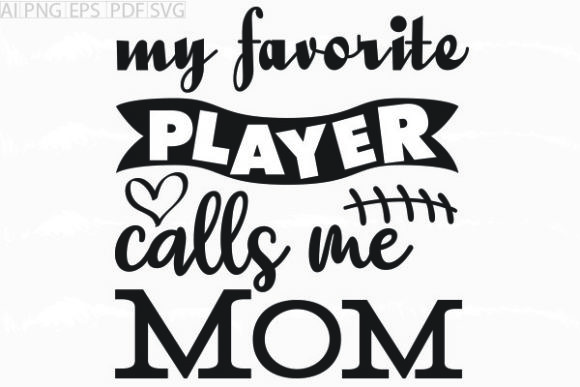
The immediate mood of this design is warm, familial, and proudly sports-centric. The phrase "My Favorite Player Calls Me Mom" carries a specific emotional weight that resonates deeply with parents involved in youth athletics. Visually, the layout typically features a balance between playful typography and sporty iconography, such as baseballs, soccer balls, or whistles, depending on the specific variation you choose. For an embroidery application, the visual personality suggests a design that belongs on soft, comfortable items rather than stiff, formal wear. It feels like a personalized gift meant to be worn with pride on the sidelines of a Saturday morning game.
When assessing the shape and detail level, I look for how the lines flow. In a vector format intended for vinyl or printing, lines can be infinitely thin. However, for machine embroidery, those lines must translate into satin stitch columns or fill stitch areas. If the original SVG has extremely fine serifs on the letters or intricate gaps between elements, these are red flags for stitching. A good designer knows that what looks crisp on a screen might become a bird's nest of thread if the negative space is too tight. This design generally offers bold, readable shapes that suggest it could handle conversion well, provided the digitizer respects the need for proper spacing.
Real-World Application Scenarios
To truly test the viability of this design, I imagined a specific client request: a custom order for a local little league team mom who wants matching sweatshirt embroidery for herself and her partner. She wants something that stands out in the bleachers but doesn't look like a cheap iron-on transfer. Here, the About My Favorite Player Calls Me Svg shines as a concept. Applied to a heather grey hoodie using white and team-color threads, the design creates an instant connection. It transforms a generic piece of custom apparel into a statement piece that identifies her role in her child's life.
Beyond hoodies, this graphic is ripe for adaptation into other handmade products. Imagine a sturdy canvas tote bag design filled with water bottles and snacks for game day. The durability of embroidery makes it superior to printed ink for this use case, as it won't crack or fade after being tossed in the trunk. Another strong contender is an embroidered patch. If you digitize this as a patch with a merrowed edge, it becomes a versatile accessory that can be pinned onto a jacket or backpack, extending the life of the design beyond a single garment. For Etsy sellers and small shop owners, offering this as a made-to-order item on aprons or kitchen towels could tap into the market of proud parents who want to display their support even while cooking dinner.
Navigating Technical Challenges in Stitching
However, moving from a Graphics file to a stitched reality requires caution. Not every SVG is ready for the needle. If you are planning to use this design on a cap, be mindful of the curved surface. Caps require specialized digitizing to prevent distortion, and text that curves naturally in the SVG might need to be flattened or adjusted to sit correctly on the front panel. Similarly, if you are working with stretchy fabrics like performance tees, the stitch density becomes critical. A design that is too dense will restrict the fabric's stretch and cause puckering, ruining the look of the finished product.
Small hoop sizes present another hurdle. If the phrase is long, it might not fit in a standard 4x4 hoop without reducing the text size to a point where it becomes illegible. Tiny lettering is the enemy of clean embroidery; if the letters are too small, the threads will merge, and the message will be lost. Before committing to a production run, you must inspect the small details. Are there isolated stitches that might jump? Are the corners sharp enough to hold their shape? These are the questions that separate a professional result from an amateur one.
Maximizing Value and Customer Trust
The ultimate goal of using a design like this is to enhance the perceived value of your work. When a customer sees clean, crisp stitching on a high-quality garment, their trust in your brand grows. This design, with its clear message, has high "giftability." It speaks directly to an emotion, making it an easy sell for holiday embroidery gifts like Mother's Day or Christmas. For commercial embroidery businesses, consistency is key. If you offer this design, ensure that every unit looks identical. Variations in thread tension or color matching can make a batch look unprofessional.
Visual appeal is also tied to color choice. While the SVG might come in black and white, embroidery thrives on color. Using contrasting thread colors against the fabric texture can make the design pop. For instance, navy thread on a white polo shirt offers a classic, preppy look, while bright neon thread on a dark jacket screams energy and spirit. Testing the design in black and white mockups first can help you understand the contrast levels before you ever thread the needle.
Essential Designer Notes for Success
Before you list this as a small shop product or stitch it for a client, here are my practical recommendations:
- Test on Scrap Fabric: Always stitch a sample on the exact same material you plan to use for the final item. Different fabrics react differently to tension.
- Check Stabilizer Requirements: Depending on the fabric weight, you may need a cut-away stabilizer for knits or a tear-away for wovens to ensure the design lays flat.
- Verify Licensing: Since this starts as an SVG intended for various uses, confirm the license terms. Can you sell the physical embroidered item? Can you sell the digitized file? Never assume; always check.
- Review Stitch Types: Ensure the digitized version uses appropriate stitch types. Long runs should be tacked down, and large areas should use fill stitches with proper underlay to prevent gapping.
- Consider Washability: Products like baby embroidery items or frequently washed tees need secure tie-offs and durable threads to withstand the laundry cycle.
In conclusion, the About My Favorite Player Calls Me Svg holds significant promise for creative entrepreneurs willing to put in the technical legwork. It is not just a image; it is a story waiting to be told in thread. By respecting the limitations of the medium and focusing on quality execution, you can turn this simple graphic into a cherished personalized product that customers will love for years. Whether you are an Etsy seller looking for your next best-seller or a hobbyist making a gift for your own favorite player, this design offers a solid foundation for a successful project.