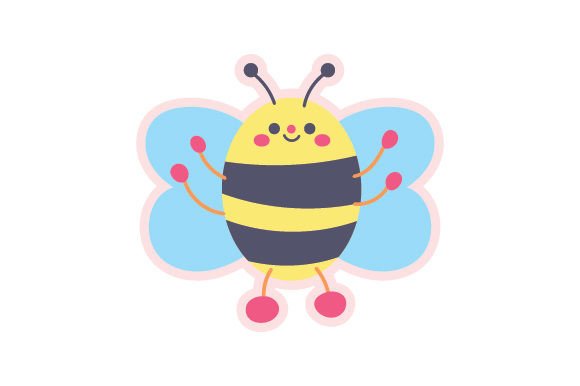
Spring Bee, Sticker Style: A Designer's Review
When I first pulled up the Spring Bee, Sticker Style design on my screen, I wasn't looking for another generic floral motif. As someone who spends hours digitizing and stitching for clients, I need files that translate well from a digital preview to a tangible, textured finished product. This design immediately caught my eye because of its specific "sticker" aesthetic. It implies a bold outline and a flat, graphic look that is currently trending in boutique apparel and modern home decor. For embroidery designers and small business owners, the difference between a design that looks like a clipart dump and one that feels like a intentional embroidery project often comes down to these stylistic choices.
The Visual Personality and First Impressions
The mood of Spring Bee, Sticker Style is playful yet polished. Unlike traditional nature-inspired designs that rely on complex shading and thousands of tiny stitches to mimic reality, this file embraces a graphic approach. The layout suggests a clean silhouette, likely utilizing a thick running stitch or a tight satin column to create that "die-cut" border effect typical of stickers. This visual personality makes it incredibly versatile. It doesn't scream "country cottage" as much as it whispers "modern craft shop."
For those of us selling on Etsy or at local craft fairs, this distinction matters. Customers today are drawn to designs that look deliberate. The simplicity of the sticker style means less thread bulk, which is a massive plus when working on items like baby clothes or lightweight tees where heavy fill stitches can cause puckering or discomfort. The theme fits perfectly within the Spring category, but because it avoids overly seasonal color palettes in its structure, it could easily work year-round depending on your thread choices.
Real-World Application: The Tote Bag Test
To truly evaluate this machine embroidery design, I imagined a specific real-life scenario: a custom order for a local farmer's market vendor who needed branded tote bags. She wanted something cheerful that would stand out against canvas but wouldn't distort when the bag was stuffed with produce. Spring Bee, Sticker Style felt like the immediate winner here.
In this context, the design's bold lines would hold up beautifully against the coarse texture of canvas or cotton twill. A more detailed applique design might get lost in the weave, but the graphic nature of this bee ensures high visibility. If I were stitching this onto a sweatshirt for a personal gift, the lack of excessive density means the garment remains soft and flexible. For a handmade product intended for daily use, durability is key, and simpler stitch patterns often withstand frequent washing better than dense, high-count competitors.
I also considered how this would look as an embroidered patch. The sticker aesthetic naturally lends itself to being cut out and applied as a patch on denim jackets or caps. Since the file includes vector formats like SVG, EPS, and DXF alongside the embroidery-ready PNG, it offers incredible flexibility. You aren't just limited to stitching; you could use the vector files to create matching printable mockups for your online listings or even cut vinyl decals to pair with the embroidered version for a mixed-media crafts project.
Navigating Fabric Challenges and Stitch Density
While the design is strong, every experienced decorator knows that no file is universal without adjustments. When working with Spring Bee, Sticker Style, attention to fabric texture is crucial. On stretchy fabrics like jersey knits, the bold outlines typical of sticker-style designs can sometimes cause tunneling if the stabilizer isn't robust enough. I would strongly advise using a cut-away stabilizer rather than tear-away for any apparel that needs to retain its shape after multiple washes.
Dark fabrics present another consideration. If the design relies on a light-colored outline to achieve the "sticker" look, stitching it onto a black hoodie requires careful planning. You may need to run an underlay or a backing layer of white thread to prevent the dark fabric from peeking through the lighter colors, which can ruin the crisp, flat appearance. Conversely, on thin fabrics like linen tea towels, you must ensure the stitch density isn't too aggressive. While the sticker style usually implies lower density, always test on a scrap piece first. If the design feels too stiff, reducing the fill density slightly in your software can make the finished product drape more naturally.
Curved surfaces, such as baseball caps, require extra caution. The straight, graphic lines of a sticker design can distort easily on a curved brim. Proper hooping technique and perhaps a foam topping would be essential to keep those clean lines sharp and prevent the design from sinking into the pique fabric.
Commercial Value and Brand Consistency
For Etsy sellers and creative entrepreneurs, the value of a design lies not just in how it stitches out, but in how it sells. Spring Bee, Sticker Style has high "giftability." It appeals to a broad demographic, from new parents looking for baby embroidery ideas to adults wanting quirky holiday embroidery for spring festivities. The clean look photographs exceptionally well for social media marketing. There are no confusing shadows or messy thread jumps to hide in your product photos, which builds customer trust.
Using this design across a range of products—aprons, pillow covers, kitchen towels—helps establish brand consistency. If your shop specializes in modern, graphic goods, this file becomes a core asset. It signals to buyers that your small shop product line is cohesive and professionally curated. Furthermore, because the design is provided in multiple formats including transparent PNGs, you can create digital product previews or listing images without even stitching the item first, saving time in your workflow.
Practical Notes for the Studio
Before committing this design to a client's expensive garment, here are my top recommendations for ensuring success:
- Test on Scrap Fabric: Always stitch a sample on the same material and weight as your final project to check for puckering.
- Check Thread Contrast: The "sticker" effect relies on the boundary line. Ensure your border thread color contrasts sufficiently with both the fill and the background fabric.
- Review Licensing: While the file formats (SVG, PNG, EPS, DXF) suggest versatility for both cutting and printing, always confirm the specific license terms regarding commercial use before selling finished items or digital derivatives.
- Stabilizer Selection: Match your stabilizer to the fabric stretch. For the crisp edges this design demands, a stable foundation is non-negotiable.
- Mockup Verification: Use the included vector files to test how the design looks in black and white or inverted colors to ensure it holds its shape regardless of the palette.
In conclusion, Spring Bee, Sticker Style is a thoughtful addition to any designer's library. It bridges the gap between digital graphic trends and tactile embroidery art. Whether you are decorating a single personalized gift or rolling out a new line of commercial embroidery goods, this design offers the clarity and charm needed to make a lasting impression. Just remember to respect the fabric you are working with, and let the simple, bold lines of the bee do the heavy lifting for your brand.