Spring Butterfly, Sticker Style: A Designer's Review
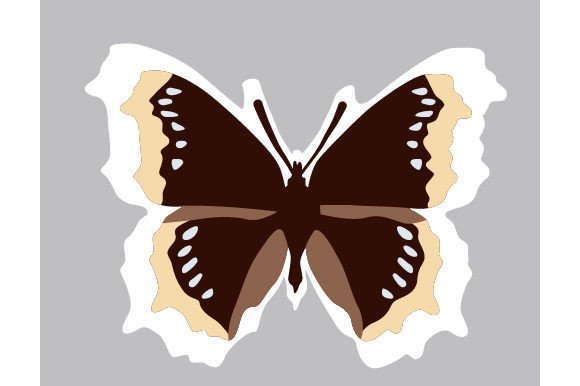
When I first opened the folder for Spring Butterfly, Sticker Style, my immediate reaction wasn't just about the cuteness of the motif; it was about the utility. As a designer who spends hours digitizing and testing files for client projects, I look for assets that bridge the gap between digital crispness and textile reality. This design lands squarely in that sweet spot. The "sticker style" aesthetic implies bold outlines, flat color fields, and a graphic quality that translates exceptionally well into modern embroidery. It feels less like a traditional, thread-heavy fill and more like a contemporary patch ready to be applied.
First Impressions and Visual Personality
The mood this machine embroidery design creates is undeniably cheerful and fresh. It captures the essence of Spring without relying on clichéd, overly complex floral backgrounds that can muddy the stitching process. The layout is centered and balanced, making it incredibly versatile for various embroidery project types. What stands out most is the visual personality; it has a playful yet polished look. The lines appear clean in the preview, suggesting that the digitizer paid close attention to how the satin stitch borders would lay against the fill stitch interiors. For those of us selling handmade products, this level of clarity is crucial because it signals professionalism to the buyer before they even touch the fabric.
Real-World Application: The Tote Bag Test
To truly evaluate an embroidery file, you have to imagine it on a physical object. I immediately pictured this design on a natural canvas tote bag design. The graphic nature of the butterfly works perfectly here. Unlike delicate, wispy designs that get lost on textured canvas, the bold shapes of Spring Butterfly, Sticker Style would pop with high contrast. Imagine a customer walking into a boutique or browsing an Etsy seller's shop; this design stops the scroll. It suggests a custom, limited-run item rather than mass-produced merchandise.
Beyond tote bags, I can see this thriving as sweatshirt embroidery. On a heather grey or soft pink fleece, the design would act as a focal point on the chest or sleeve. The "sticker" look mimics the popular vinyl heat-transfer aesthetic but offers the superior texture and durability of thread. For a craft business owner, this means you can offer a premium custom apparel option that feels substantial and high-value. It is also an excellent candidate for an embroidered patch. If you plan to create iron-on or sew-on patches for hats or jackets, this file's structure likely supports dense stitching that holds its shape well when cut out.
Navigating Fabric Challenges and Technical Details
However, no design is without its considerations. While the graphic style is forgiving, the "sticker" effect often relies on sharp corners and distinct color blocks. When working with stretchy fabrics like jersey knits for baby embroidery or t-shirts, you must be vigilant about stabilization. The density of the fill areas needs to be checked against the stretch of the fabric to prevent puckering. I always recommend testing the design on scrap fabric first, especially if you are using a textured material like a waffle knit or a thick terrycloth towel.
Curved surfaces present another challenge. If you intend to use this on a cap, the center of the butterfly must align perfectly with the crown's curve. The bold outlines might distort if the hoop tension isn't managed correctly on a structured hat. Furthermore, if you are stitching on dark fabric, you need to verify the thread colors provided in the default palette. Does the design include an underlay sufficient to prevent the dark fabric from showing through the lighter wings? If not, you may need to manually add a white underlay layer in your software to ensure the colors remain vibrant.
Key Considerations for Production
- Hoop Size: Confirm the dimensions fit your available hoops, especially if you are working with smaller items like baby bibs or pocket logos.
- Stitch Density: Check if the fill areas are too dense for lightweight fabrics, which could cause stiffness.
- Small Details: Inspect the antennae and wing tips; these fine lines require good tension control to avoid thread breaks.
- Contrast: Test the design in black and white mockups to ensure the shape reads clearly without relying solely on color.
- Licensing: Always confirm licensing terms before selling finished items or digital derivatives.
Enhancing Brand Value and Customer Trust
Using a cohesive design asset like Spring Butterfly, Sticker Style can significantly impact your brand consistency. If you run a small shop product line focused on seasonal goods, this design serves as a strong anchor for your holiday embroidery or spring collections. Customers associate clean, well-executed stitching with quality. A design that looks crisp and intentional builds trust. It tells the buyer that you care about the finished product.
For digital product sellers creating printable mockups, the transparent PNG and SVG formats included in the package are invaluable. You can easily place this graphic onto digital templates to showcase potential colorways to your clients before a single stitch is made. This saves time and reduces waste. For the commercial embroidery sector, having access to vector formats like EPS and DXF means you can resize or modify elements if your specific machine setup requires slight adjustments, offering flexibility that raster-only files do not.
Final Verdict for Makers and Entrepreneurs
In the world of Crafts, trends move quickly, but quality remains timeless. Spring Butterfly, Sticker Style feels like a reliable workhorse file. It is adaptable enough for a quick personalized gift yet robust enough for a full production run of boutique merchandise. The combination of SVG, PNG, EPS, and DXF formats ensures that whether you are a digital crafter using a cutting machine or a traditional embroiderer using a multi-needle machine, you have the tools you need.
My advice is to approach this design with an eye for detail. Select your stabilizer wisely—cut-away for knits and tear-away for wovens. Play with thread textures; perhaps a matte rayon for the wings and a shiny polyester for the outline to enhance that "sticker" dimension. By understanding the nuances of how this design interacts with different materials, you can elevate a simple butterfly motif into a standout piece that drives engagement and sales. It is a solid addition to any library of design assets, ready to bring a touch of spring to your next creative venture.